
PRODUCTS・SERVICES
Human iPSC-derived Schwann Cell
About Schwann cells
Schwann cells are the main glial cell type of the peripheral nervous system (PNS) which wrap and protect axons of motor and sensory neurons to form the myelin sheath. This myelin sheath speeds up the transmission of electrical signals and supports efficient functioning of the nervous system. In addition, Schwann cells play an important role in nerve fiber repair and regeneration. When nerve fibers are damaged, Schwann cells migrate to the site of damage and facilitate the repair process by producing neurotrophic factors.
Human iPSC-derived Schwann Cell
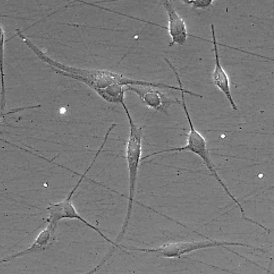
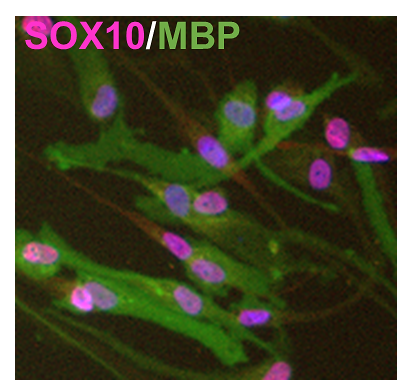
We provide human induced pluripotent stem cells (hiPSCs)-derived Schwann cells in the contract research and/or the joint research projects. The features of our Schwann cells are:
- Efficiently differentiated from hiPSCs
- SOX10-positive
- Showing high expression level of MBP (myelin basic protein)
- Producing NGF (nerve growth factor)
- Charcot-Marie-Tooth disease 1A (CMT1A)-Schwann cells are available by using hiPSCs from CMT1A patients. hiPSCs from a healthy donor are also available.
Applications
- Schwann cell development and physiology studies
- Co-culture with neurons
- Disease modeling of CMT1A and other peripheral neuropathies
- Drug testing for peripheral neuropathies or nerve injuries
Establishment of iPS Cells
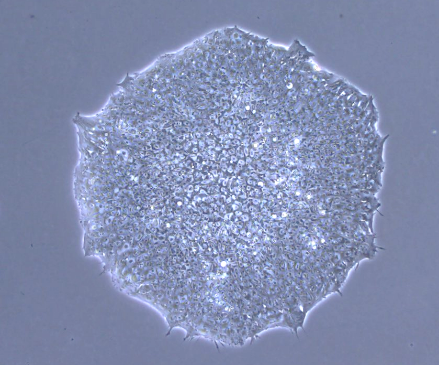
We establish iPS cell lines according to your requirements
- Delivery time:
- 3 months or more
- Reprogramming:
- episomal vector (peripheral blood mononuclear cells or fibroblasts)
- Supply:
- 3 clones (2 x 10⁶ cells/vial; 3 vials per clone)
- Testing:
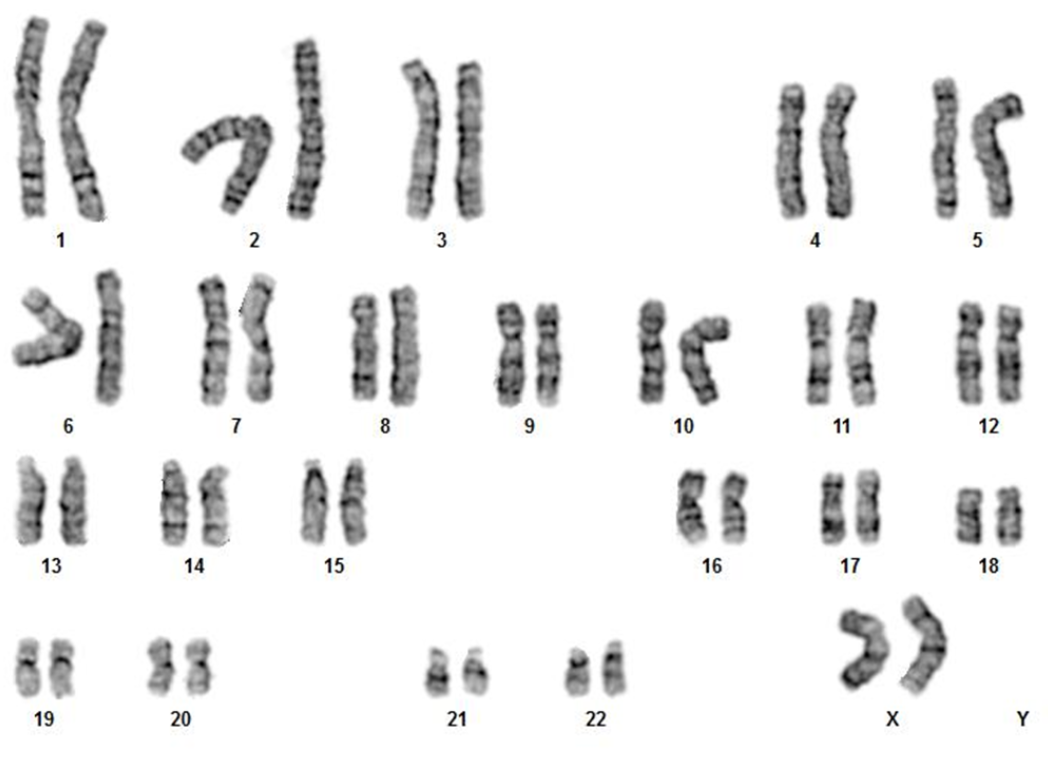
- stem cell marker, chromosome analysis, mycoplasma
[Testing options: virus testing, genetic mutation, differentiation potential (cardiomyocytes, neurons) ]
- Disease model cells and iPS cell lines: Developing the cells from patient's blood.
[Specific Certified Business by the Law of National Strategic Special Zone]
SCAD-CS™ for neuron
Culture device designed for 3D Cell culture of neurons
- Small culture vessel consisting of oriented fibers and a frame
- 3D-structured neuron sheets with axons extending along the fibers
- Advantages: (1) suppression of aggregation and detachment of neurons, (2) accelerated maturation of neural networks
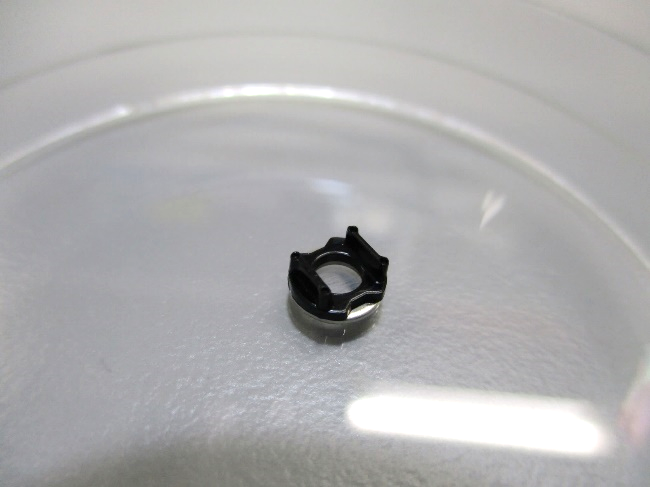
(O.D: φ6mm)
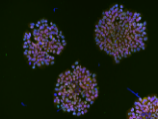
Immunostaining
Neural Function Assays
We develop in vitro assays for electrophysiological assessment of neurons
- Evaluation of electrophysiological functions of neurons using 3D-structured neuron sheets cultured on SCAD-CS™ for neuron
- Assessment of neural network activities by multi-electrode array (MEA) measurement
- For basic research of neuroscience and evaluation of substances that affect neural functions


Muscle Contractility Assays
We develop in vitro assays for quantitative analysis of skeletal muscle contractility
- 3D-structured skeletal muscle self-organized in a specialized culture device
- Quantitative analysis of the contractility and relaxation of the skeletal muscle
- For basic research on skeletal muscle and evaluation of substances that affect contractility of skeletal muscles
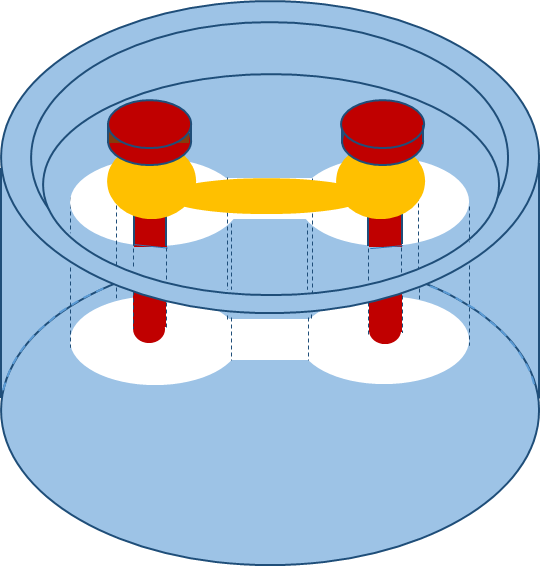
(O.D: φ10 mm)
Neuromuscular Junction
We develop in vitro models of neuromuscular junctions
- Microphysiological system mimicking the connection of neuron and skeletal muscles
- Co-culture device for neurons to extend axons to connect with skeletal muscle tissue
- For basic research on neuromuscular junction and evaluation of substances that affect neuromuscular functions